

Gender Economic Equality Study
Client: Jobs and Skills Australia
About
Jobs and Skills Australia conducted a Gender Economic Equality Study to examine the gendered nature of work, education, skills and training in Australia. The study translated complex intersectional research into actionable insights for national policy development and public engagement.
As the lead designer, I developed a comprehensive design strategy that balanced data integrity with accessibility, ensuring the study's findings could reach and resonate with diverse stakeholders—from government ministers, policy influencers and the wider public.
Concept development
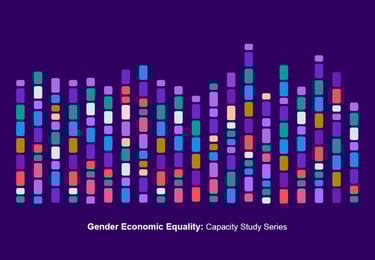
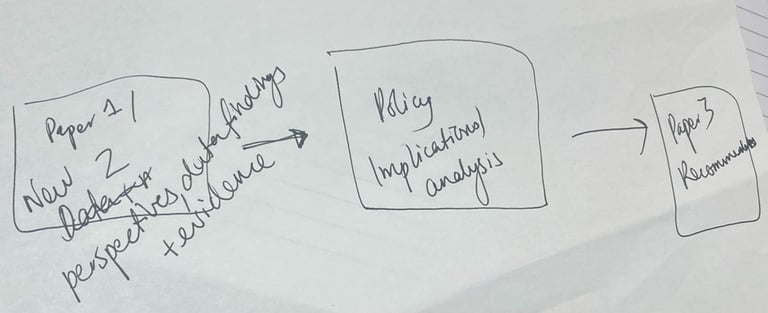


The Gender Economic Equality Study team sought a visual identity that would signal their innovative analytical approach, moving beyond traditional government research aesthetics to something more contemporary and engaging.
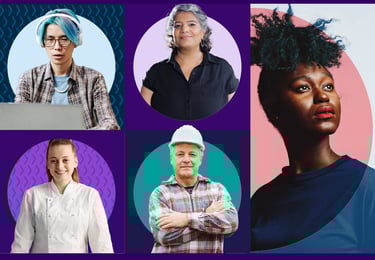
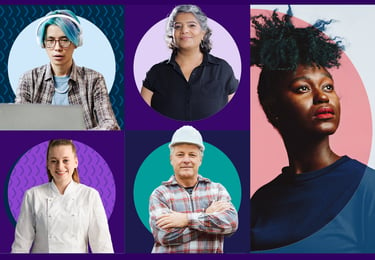
Understanding that the study would examine intersectionality and explore pathways towards systemic change, I developed a visual language using dynamic geometric shapes that would create a sense of movement and momentum, reinforcing the study's focus on progression and action.




Reports and factsheets
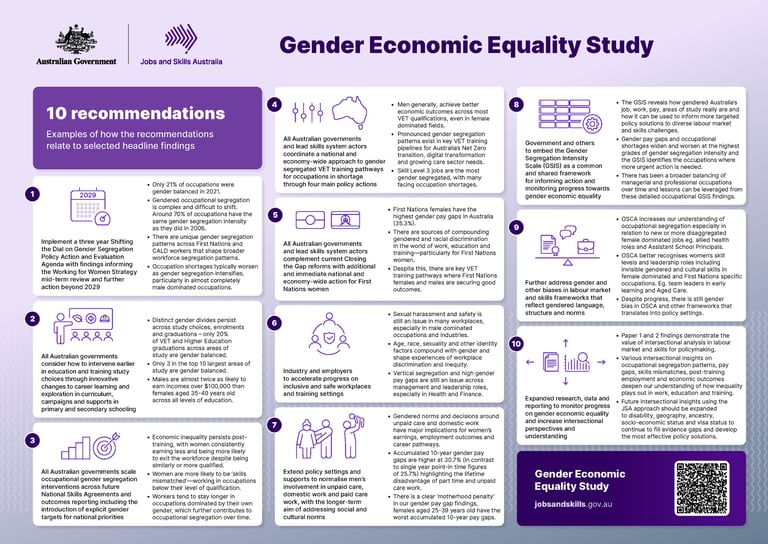
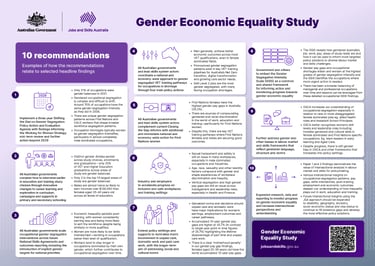
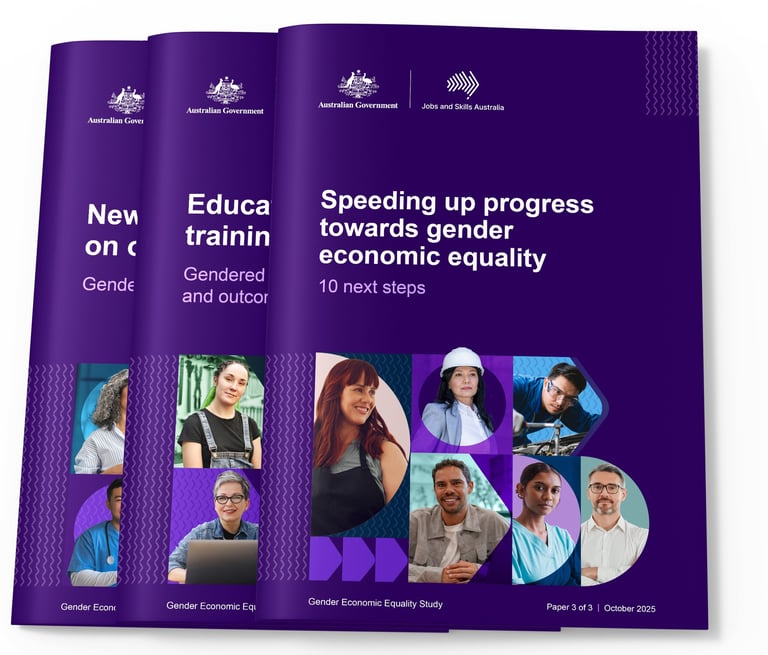
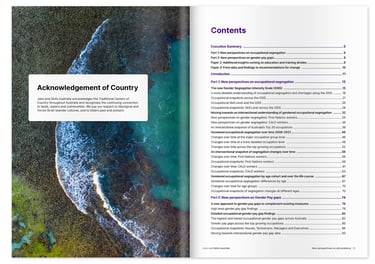
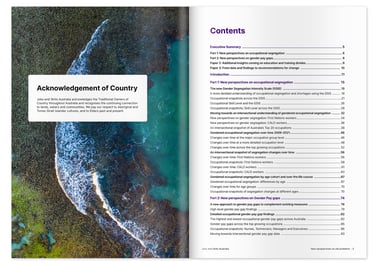
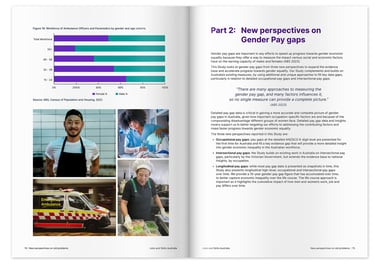
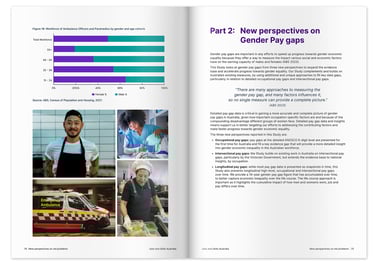
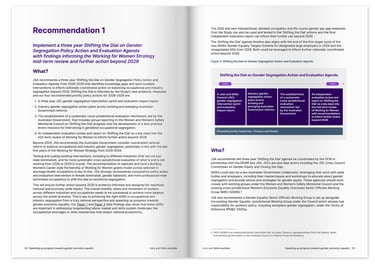
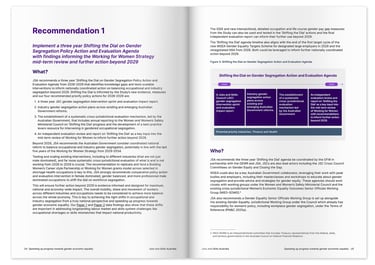
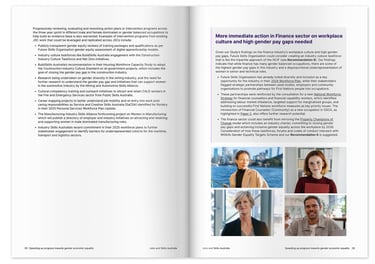
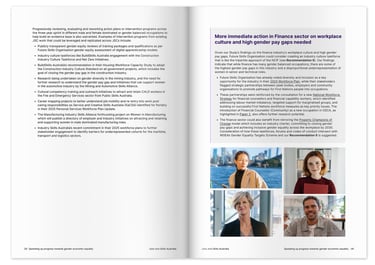
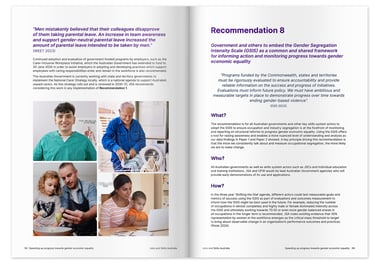
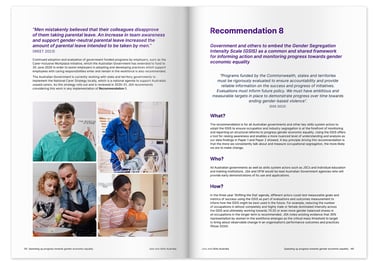
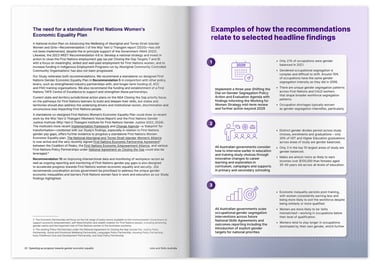
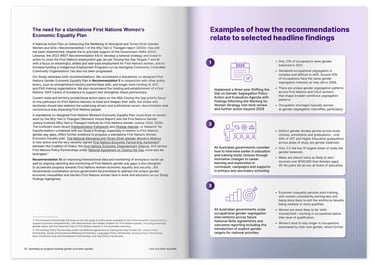
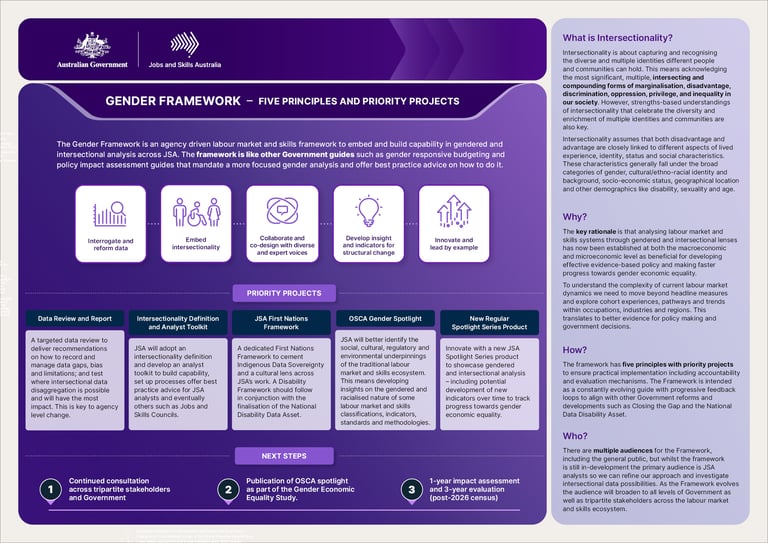
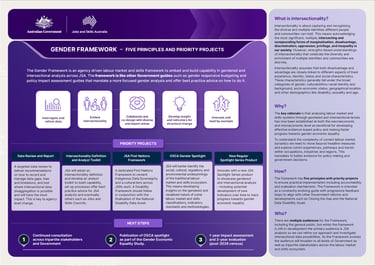
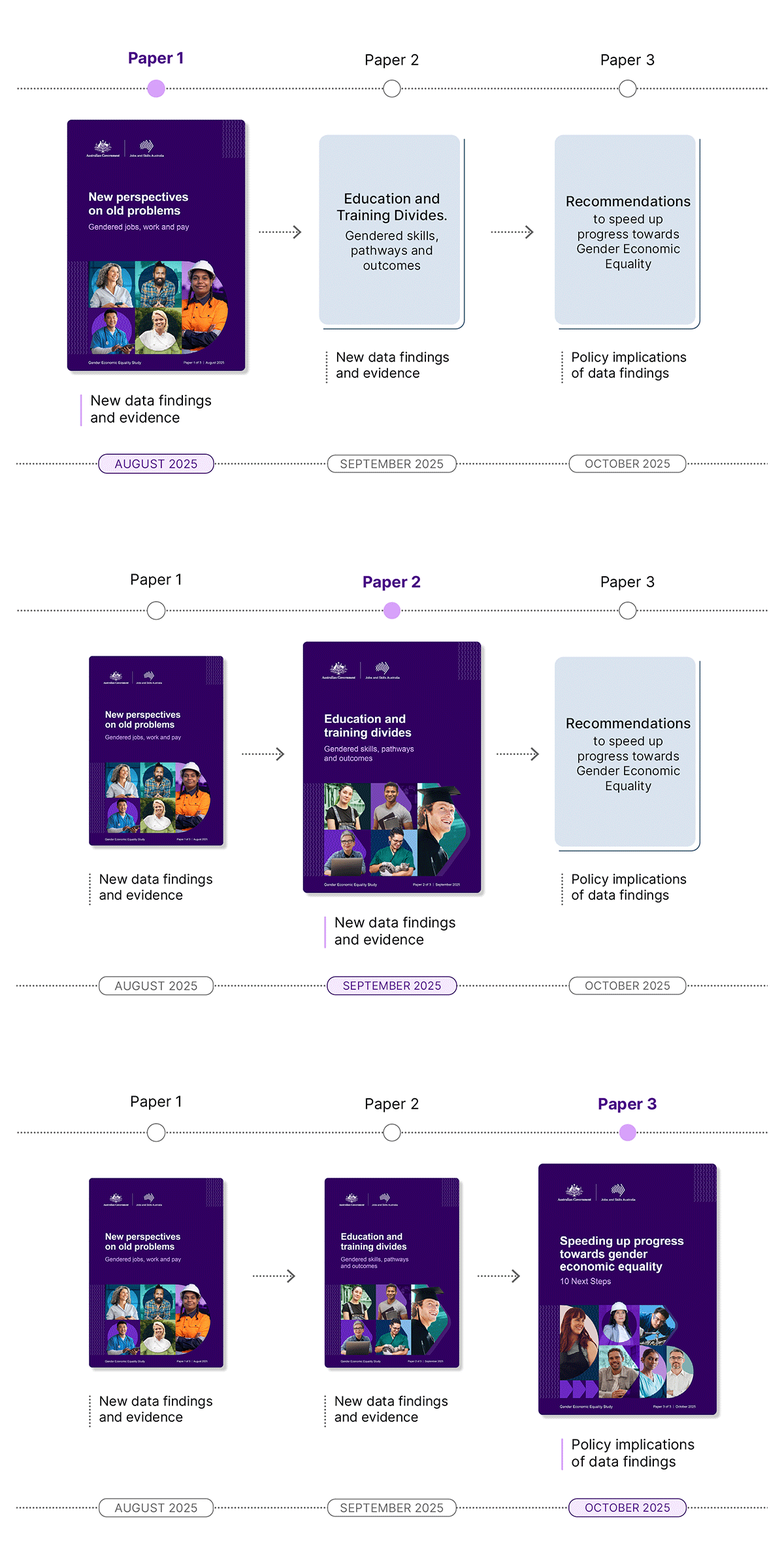
The study was delivered as a three-paper series, with the visual system evolving across each publication to reflect the research narrative. Paper 1 introduced circles to represent the cyclical nature of gender segregation patterns. Paper 2 used triangles and arrows to illustrate direction and the pathways through education and training. Paper 3 combined both shapes, reflecting the synthesis of findings and the interconnected nature of the study's recommendations.
Data visualisation
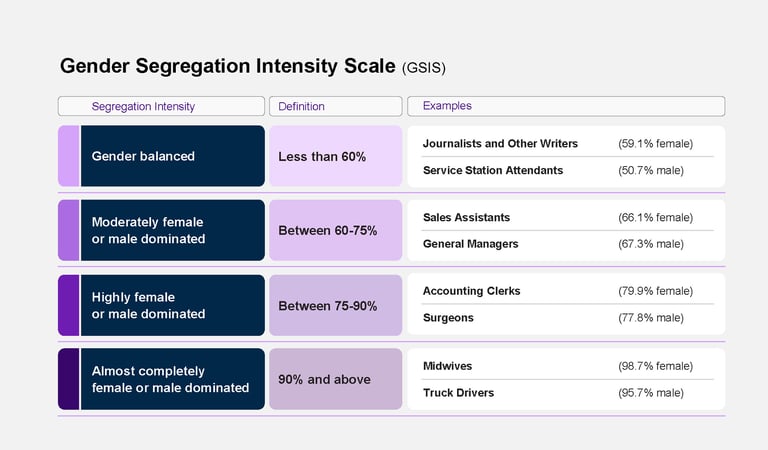
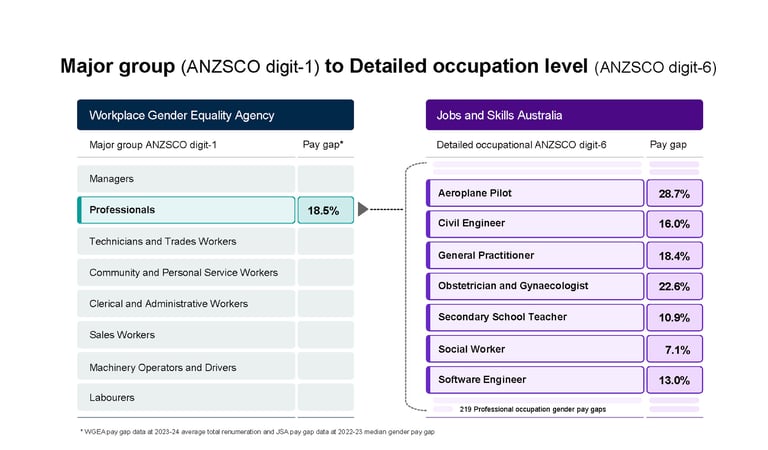
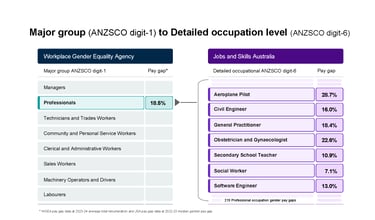
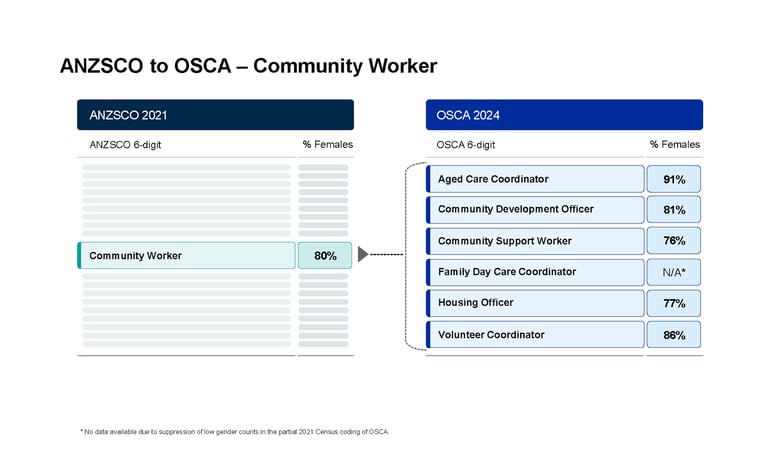
Data visualisation made the study's innovative analytical methods accessible to non-technical audiences. For the breakthrough occupational-level pay gap analysis covering 600+ occupations, I created visualisations that balanced comprehensive data depth with clear, digestible insights.
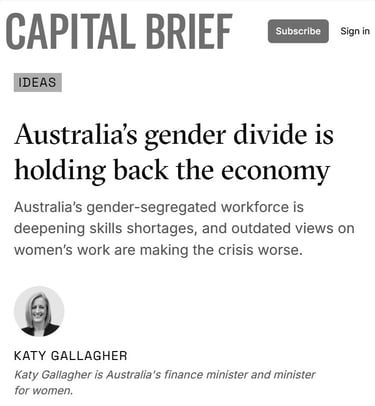
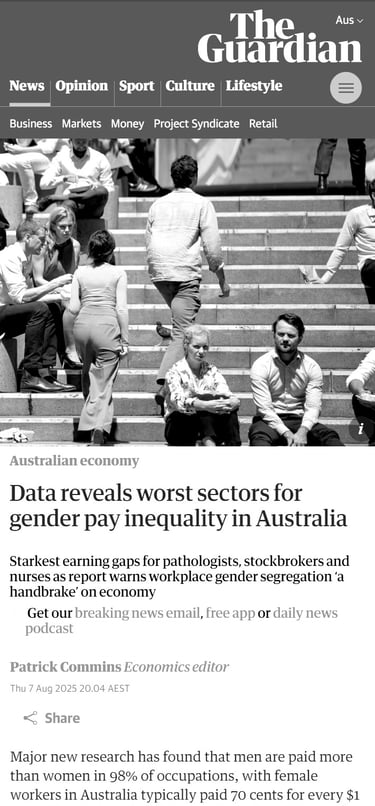
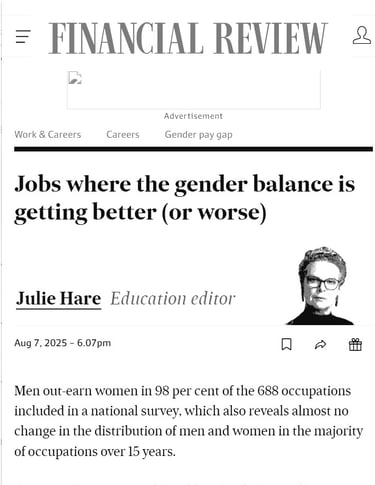
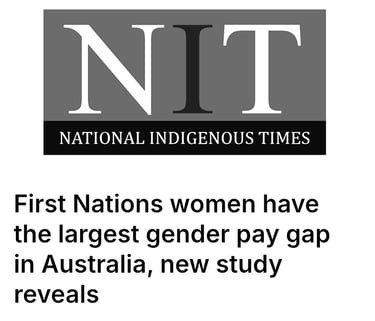
Audience response
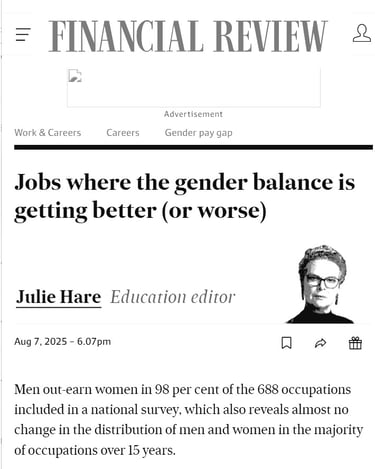


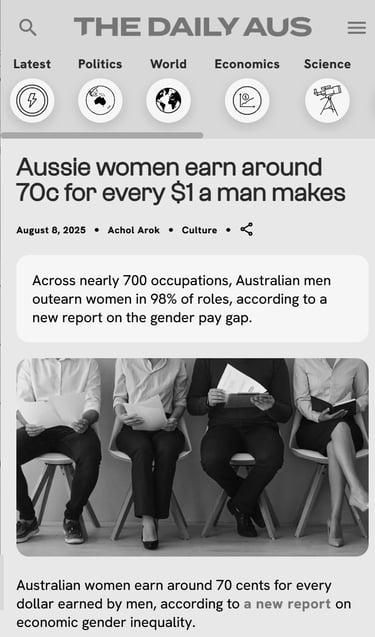
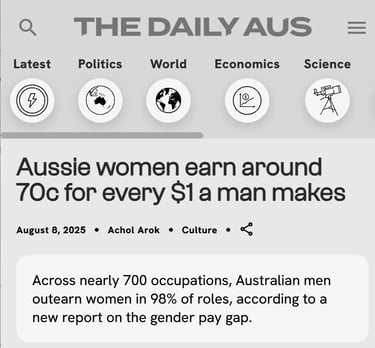
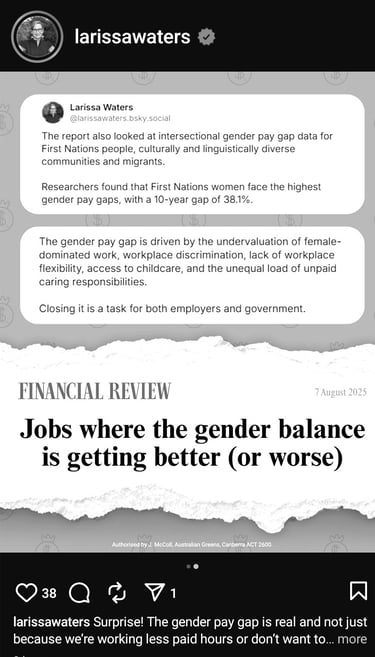
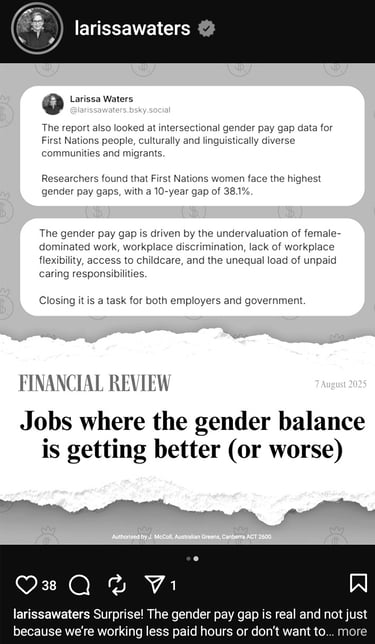
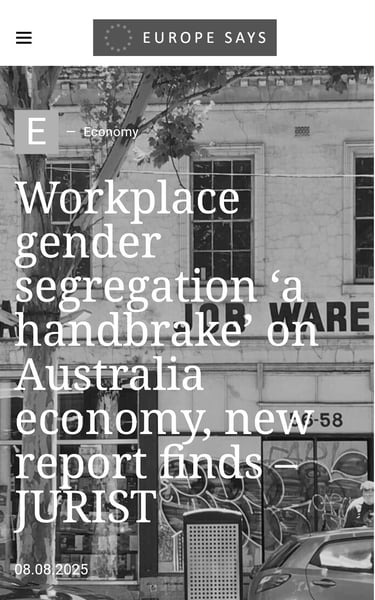
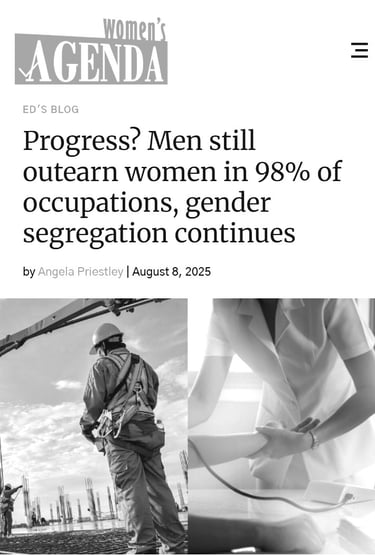
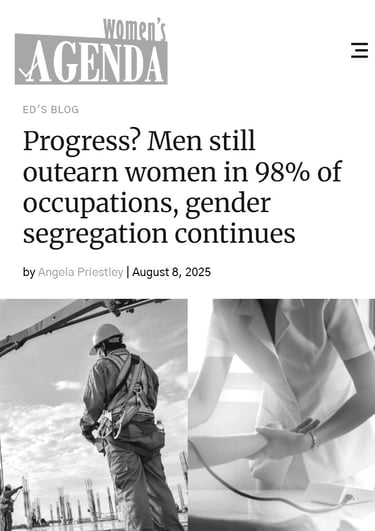
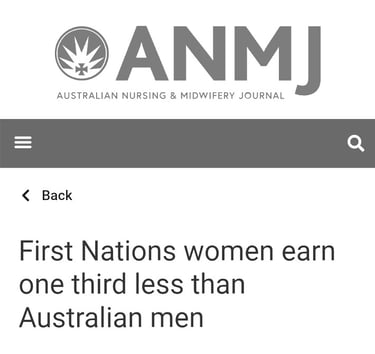
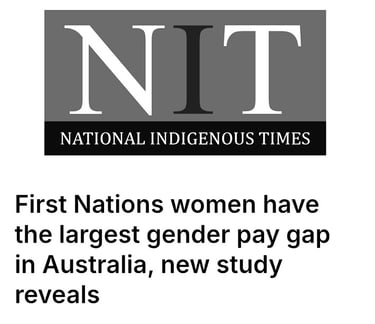
Conclusion
Strategic design can transform how complex research drives real-world impact. By developing a visual system that balanced credibility with accessibility and evolved across the study's three-paper narrative, I enabled the Gender Economic Equality Study to reach diverse stakeholders and amplify its influence across government, media and professional organisations.
This project reinforced that effective design operates as a strategic multiplier: not just making information look better, but making it more accessible, actionable and influential. When designers engage as strategic partners from the outset, we help organisations achieve broader objectives and drive meaningful public engagement.
I'm grateful to the Gender Economic Equality Study team for their collaborative approach, valuing design as an integral part of the research process rather than a final step. This partnership model enabled the strategic outcomes reflected throughout this work.
Social Media